
Other people might say they can’t hear the noise you’re experiencing from tinnitus, but that doesn’t make it any less real to you.
Tinnitus, most commonly a ringing noise in the ears, can feel isolating because you’re often the only one who can hear it. But that doesn’t mean you have to deal with it independently. Our team at San Diego ENT can help you manage your tinnitus to reduce its impact on your daily life.
What Is Tinnitus?
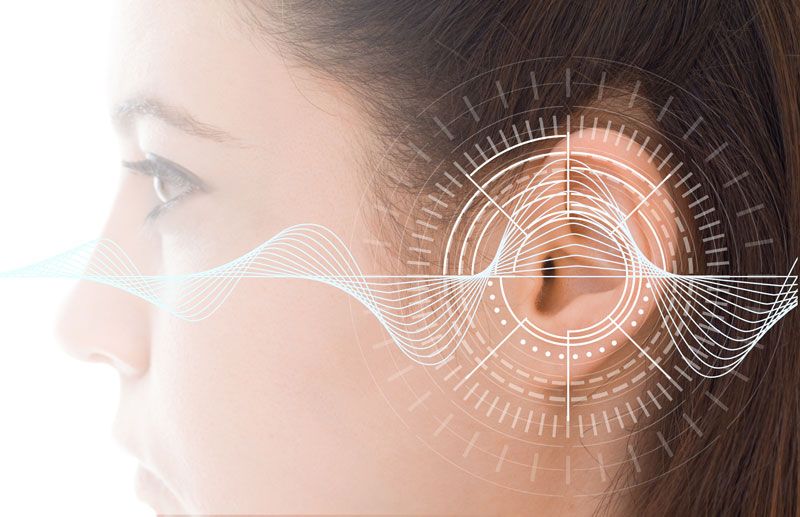
Tinnitus is a ringing, buzzing or pulsing sound in one or both ears. Sometimes it occurs in short durations and lasts for just a few minutes. Other times, it can last consistently for years. In extreme cases, it might interfere with your ability to concentrate or lead to anxiety.
The most common form of tinnitus is subjective tinnitus or tinnitus that only you can hear. It usually sounds like ringing, buzzing or clicking.
Less frequently diagnosed is pulsatile or objective tinnitus, which sounds like a whooshing or pulsing sound. Our audiologist may be able to hear pulsatile tinnitus during an examination.
According to the National Institutes of Health, around 10% of adults in the U.S. have experienced tinnitus for at least five minutes in the past year. If you’re dealing with tinnitus, you aren’t alone.
What Causes Tinnitus?
The following can potentially lead to tinnitus:
- Consistent exposure to loud noise
- Issues in the middle ear, like infections or vascular tumors
- Ear infection or ear canal blockage
- Medication that damages the middle ear’s nerves, such as ototoxic drugs
- Head or neck injuries
How Is Tinnitus Diagnosed?
You’ll likely be asked to describe the sound you’re hearing to determine what kind of tinnitus you are experiencing. To determine if there are any underlying causes, the provider will also likely take a medical history and examine your ears, neck and head. Additional tests might include a hearing exam, imaging tests, lab tests and movement to see if this affects the tinnitus.
You may also take questionaries to determine the impact of tinnitus on your daily life. These include might include a tinnitus functional index, tinnitus handicap inventory and tinnitus and hearing survey.
How Is Tinnitus Managed?
If testing suggests the need for medical intervention to manage an underlying disorder, our team will connect you with the provider that can help. Options for management might include hearing aids, acoustic therapy, counseling and tinnitus retraining therapy.
What Impact Can Hearing Aids and Acoustic Therapy Have on Tinnitus?
Both acoustic therapy and hearing aids can be used to mask noises from tinnitus.
Hearing aids, which amplify background sounds, can be used to cover up tinnitus. There’s also another benefit: because many people diagnosed with tinnitus have also experienced hearing loss, hearing aids can help with that.
Depending on your preference, acoustic therapy can involve white noise, gentle music or natural sounds. These can be added to your routine through behind-the-ear wearable devices, sound generators, smartphone apps or mp3 files.
Counseling Can Change Your Perception of Tinnitus
One of the main goals of counseling is to eliminate anxiety and other negative emotions surrounding tinnitus. This is often achieved through cognitive behavioral therapy, or CBT. Once this occurs, the noises will become less bothersome.
Our Team Can Help You Manage Your Tinnitus
If you’ve recently been diagnosed with tinnitus, it’s easy to feel overwhelmed. But it isn’t something you have to manage on your own. At San Diego ENT, we can help ensure that tinnitus doesn’t prevent you from doing what matters to you.
Call San Diego ENT for more information or to schedule an appointment.